Where to Use Your New Branding
So you just finished a rebrand… now what?
It’s clear your rebrand is a critical step in ensuring your business remains relevant in an ever-changing market. It allows you to refresh your identity, aligning it with contemporary trends and customer expectations, and embrace your business evolution. And like your brand evolves, so do the preferences of your dreamy clients and the competitive environment. By rebranding your business, you can ensure your business goals are being articulated well, calling in those dreamy clients on repeat. It is not merely a cosmetic change; a well-executed rebrand can foster customer loyalty, attract fresh clientele, and stimulate overall growth, ensuring that your brand remains a true reflection of your business’s vision, driving that brand obsession you know you deserve.
Ok great. You get that…but what’s next when you finish?
Here is a list of all the places your branding should be updated to be consistent across every touchpoint after your finish your rebrand:
Email:
Create a new signature (here’s a tutorial with a free template!) using a logomark and brand fonts (or a close match). Update logos in your email platform and match brand fonts and colors (I love Flodesk!)
Social Media:
Upload a new profile image (logomarks are great options), cover images, and highlight covers to all your social accounts
Canva:
Update (or create) your brandkit with your fonts, colors, logos, and any brand photos to make on-brand graphic creation easy
CRM:
Update all your contracts, proposals, questionaires, and any client facing documents and portals
Google My Business:
Update your logo and add some new brand images and graphics to your profile to keep things cohesive
Print Collateral:
This list varies for every business, but be sure to get:
new business cards
letterhead
envelopes
signage
brochures (especially digital downloads on your website),
and any products or promotional items that you will be handing out to clients
Website:
This might take more effort, but at a minimum, update your brand colors, fonts, and logos, then plan for a larger site design project when you’re ready
It’s time to activate! Go update all your brand collateral, both content types that are public facing, like on your website, social media, and marketing efforts, and also your client-only facing content, like invoices.
Ready to ditch the chaotic guesswork and finally build a brand that magnetizes premium clients, raises your perceived value, and becomes the foundation for a business that actually feels as legit as it is?
Learn more about my Group Coaching Program, BrandShift Method™, the all-in-one business rehab you desperately need to unlock your unique magic, define your signature style, and reveal for the ultimate brand transformation from meh to magnetic.
Happy Creating!!
Read more:
Keeping your Flodesk account and subscriber list clean is a simple but powerful habit that protects your deliverability, strengthens your brand reputation, and ensures every message reaches the people who actually want to hear from you. In this post, I explain why regular list hygiene matters for open rates and brand trust, show step-by-step how to remove inactive subscribers, merge duplicates, and update tags and segments, and offer best practices for re-engagement and GDPR/anti-spam compliance. I also include a ready-to-use Claude skill you can download and install to automate these tasks on a monthly schedule…so you maintain a healthy list without it taking over your to-do list.
If you’ve ever fallen in love with a font that isn’t in Squarespace’s default library (lol, same), today is your day: Squarespace now lets you upload your own custom fonts — no CSS wizardry required.
Yes, friend. We are dragging. We are dropping. We are thriving.
If you've ever sat down to design your brand visuals—or hand over brand guidelines to a designer—you’ve probably run into a bunch of confusing color terms: HEX codes, RGB, CMYK, PMS... what do they all mean?
And more importantly—when should you use which one?
Today, let's break it down without the jargon overload. Here’s your quick-start guide to color codes and how they fit into building a brand that actually looks cohesive everywhere you show up.
You're rebrand is complate…but what’s next when you finish?
Here is a list of all the places your branding should be updated to be consistent across every touchpoint after your finish your rebrand.
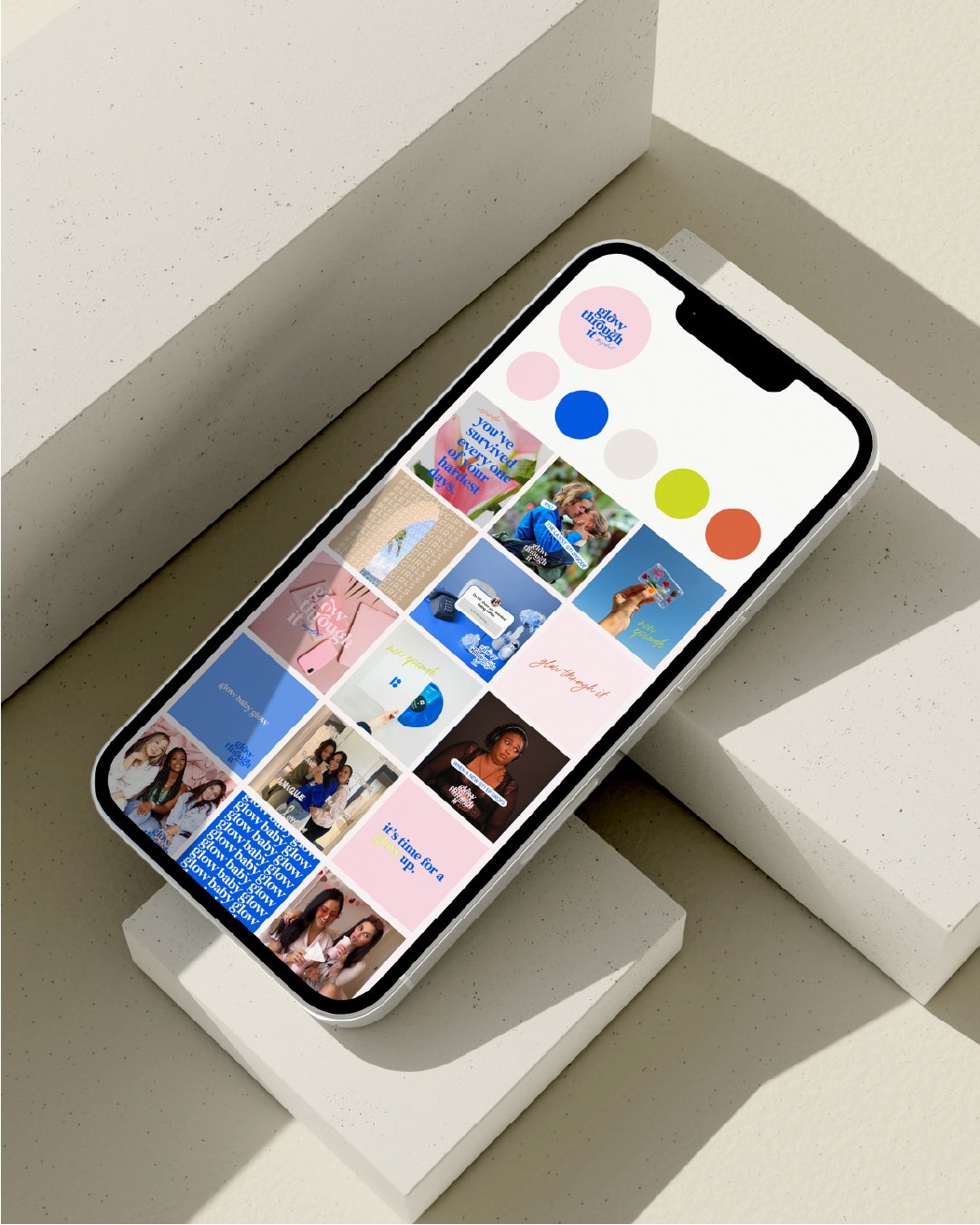
Your Instagram grid can look beautiful and still feel completely disconnected. The problem usually isn’t your photography, colors, or grid planning. It’s that the brand identity underneath it hasn’t been fully decided. In this post, we’ll look at how intentional composition, image styles, and a clear brand identity work together to create an Instagram feed that feels cohesive, engaging, and unmistakably you.
So you want to win more dreamy clients and convert people from followers into brand-obsessed loyalists? One way to do this is by building a more balanced Instagram grid. This best practice doesn't require a huge marketing budget or expert design skills, but it does ask you to lean into one really important principle: Balance. More on that here.
Taylor Swift knows how to build an empire. Let’s dive into some of the lessons we small business owners and self-starters can learn from the most love to hate and hate to love artist of our time: Taylor Swift. In other words, I'm going to tell you exactly which takeaways you'll want to bring back to your own branding/marketing efforts to hit it out of the park, just like T-Swift does.
Super Bowl ads are a goldmine for anybody who wants to add some best practices into their own branding playbook. Let’s dive into some of the lessons we small business owners and self-starters can learn from the most iconic Super Bowl ads of years past. In other words, I'm going to tell you exactly which takeaways you'll want to bring back to your own branding/marketing efforts to hit it out of the park
🎙️ Your Brand Isn’t the Problem…It’s the Lever 🎙️
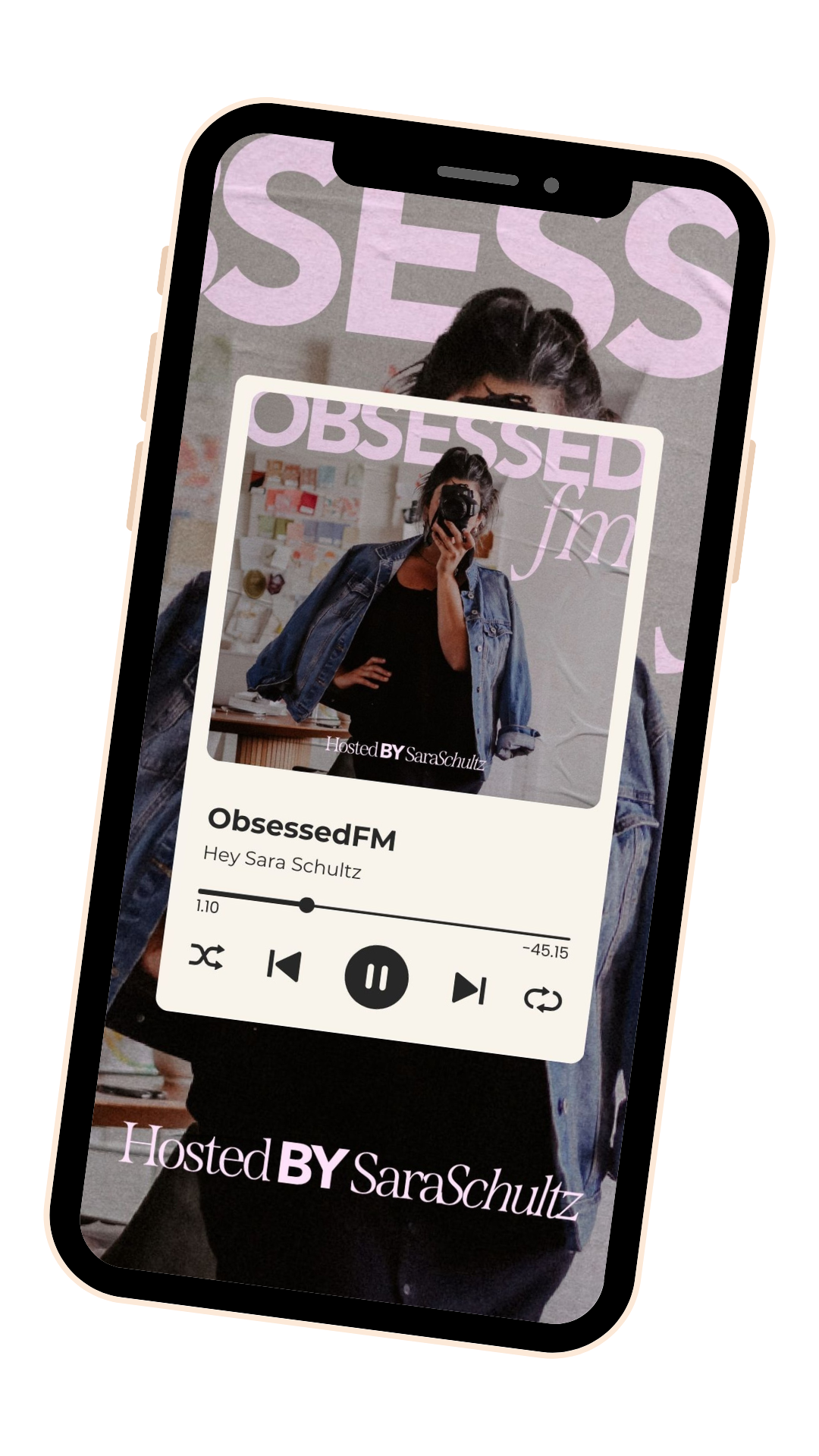
Obsessed FM is the private podcast for business owners who are done chasing attention and ready to build a brand that actually holds weight.
Short episodes on brand, money, authority, and why some businesses feel inevitable while others feel exhausting.
✨ Sharp. Honest. Weirdly clarifying. ✨
Read the Latest and Greatest:
Is your email list getting bigger but your engagement getting smaller? A bloated list can hurt more than your open rates. It can cost you money, impact deliverability, and make it harder to understand who is actually paying attention to your brand. Learn how to clean your email list by re-engaging inactive subscribers, removing hard bounces, clearing duplicates, and creating a healthier audience that is actually interested in hearing from you.
A $110,000 launch doesn't start on launch day. Here's the full six-month strategy behind the most recent BrandShift Method launch, from cold audience content to conversion event to cart close.
Why can one business charge $32 for something another sells for $9? The difference isn’t always the product or service itself. It’s positioning. Your brand positioning shapes how people perceive your value before they ever see your price, and strong positioning can make your rates feel like an obvious fit rather than something you have to justify. Here’s how to recognize the gap between your price and your position, and what to do about it.
Ready to raise your rates but worried about losing clients? Raising your prices doesn’t have to mean making one huge, uncomfortable leap. The Stair-Step Method gives you a practical way to increase your rates gradually while protecting existing client relationships and getting new leads onto your new pricing immediately. Here’s how to raise your rates with more confidence, strategy, and room to grow.
Raising your rates isn't just about increasing your revenue. It's about buying back your time. When you charge more, you can reach the same income goal with fewer clients, fewer projects, and less capacity tied up in client work. This post explores the real reason to raise your rates and how better pricing can create more room for the life and work you actually want.