You built it slowly. An opt-in here, a freebie there, a launch that brought in a wave of new names. And now you have... a list.
A list that maybe you haven't emailed in a while. A list that feels a little bloated and a little stale and a little "I'll deal with that later."
Here's the thing: the health of your email list is a direct reflection of the health of your brand. And just like a brand that hasn't been tended to, a neglected list costs you more than it gives you.
Let's fix that.
Why your open rates are lying to you
If you've been emailing consistently and your open rates have been slowly creeping down, your first instinct is probably to blame your subject lines. Or the algorithm. Or yourself.
But most of the time? It's your list.
Email platforms calculate open rate as opens divided by total sends. When a third of your list is made up of cold subscribers who haven't opened anything in six months, your percentage tanks, even if your actual engaged audience is thriving.
You're not underperforming. You're just sending to the wrong room.
What a bloated list actually costs you
Most email platforms charge by subscriber count. Which means you are paying, every single month, to store contacts who will never open, never click, never buy. That's not a list. That's a liability.
Beyond the money: deliverability. When you send to a list full of cold or invalid addresses, inbox providers take note. High bounce rates and low engagement push your emails toward spam, for everyone, including the people who actually want to hear from you.
Cleaning your list isn't about deleting people. It's about protecting the relationship you have with the people who are actually there.
The scrub: what to actually do
Pull a segment of anyone who hasn't opened in 90+ days. Send one re-engagement email β honest, simple, low pressure. Give them a clear way to stay. Wait a week. Remove everyone who doesn't engage.
Remove all hard bounces immediately.
Clear duplicates and obvious junk entries.
What you're left with is a list that actually reflects your audience. Smaller, yes. More powerful, absolutely.
The brand connection you didn't see coming
Your email list is the most intimate channel you have. When you keep sending to people who aren't paying attention, you start optimizing for them. You lose the thread of who you're actually talking to.
A clean list lets you show up for the people who are actually in the room. And when you know who's in the room, you can stop performing for nobody and start being fully ON for the people who already want what you have.
That's not just good email strategy. That's the foundation of a brand that converts.
The tool I use
A clean list is step one. But if you've been showing up consistently, emailing regularly, doing the things, and your audience still isn't converting... that's not an email problem. That's a brand foundation problem.
BrandShift Method is where you build the identity, voice, and strategy that makes your content, your emails, and your offers land with the people who are already watching.
Read more:
Keeping your Flodesk account and subscriber list clean is a simple but powerful habit that protects your deliverability, strengthens your brand reputation, and ensures every message reaches the people who actually want to hear from you. In this post, I explain why regular list hygiene matters for open rates and brand trust, show step-by-step how to remove inactive subscribers, merge duplicates, and update tags and segments, and offer best practices for re-engagement and GDPR/anti-spam compliance. I also include a ready-to-use Claude skill you can download and install to automate these tasks on a monthly scheduleβ¦so you maintain a healthy list without it taking over your to-do list.
If youβve ever fallen in love with a font that isnβt in Squarespaceβs default library (lol, same), today is your day: Squarespace now lets you upload your own custom fonts β no CSS wizardry required.
Yes, friend. We are dragging. We are dropping. We are thriving.
If you've ever sat down to design your brand visualsβor hand over brand guidelines to a designerβyouβve probably run into a bunch of confusing color terms: HEX codes, RGB, CMYK, PMS... what do they all mean?
And more importantlyβwhen should you use which one?
Today, let's break it down without the jargon overload. Hereβs your quick-start guide to color codes and how they fit into building a brand that actually looks cohesive everywhere you show up.
You're rebrand is complateβ¦but whatβs next when you finish?
Here is a list of all the places your branding should be updated to be consistent across every touchpoint after your finish your rebrand.
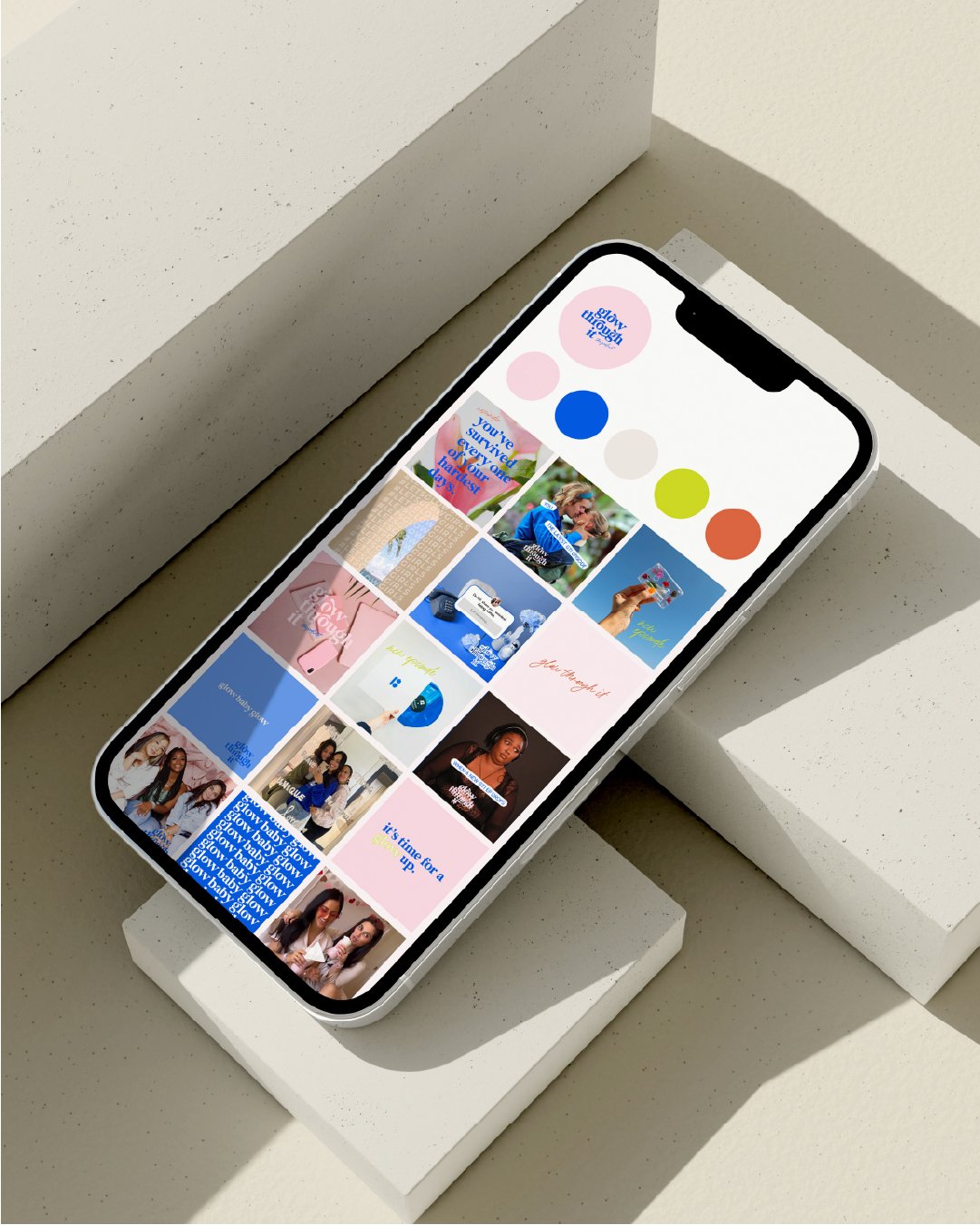
Your Instagram grid can look beautiful and still feel completely disconnected. The problem usually isnβt your photography, colors, or grid planning. Itβs that the brand identity underneath it hasnβt been fully decided. In this post, weβll look at how intentional composition, image styles, and a clear brand identity work together to create an Instagram feed that feels cohesive, engaging, and unmistakably you.
So you want to win more dreamy clients and convert people from followers into brand-obsessed loyalists? One way to do this is by building a more balanced Instagram grid. This best practice doesn't require a huge marketing budget or expert design skills, but it does ask you to lean into one really important principle: Balance. More on that here.
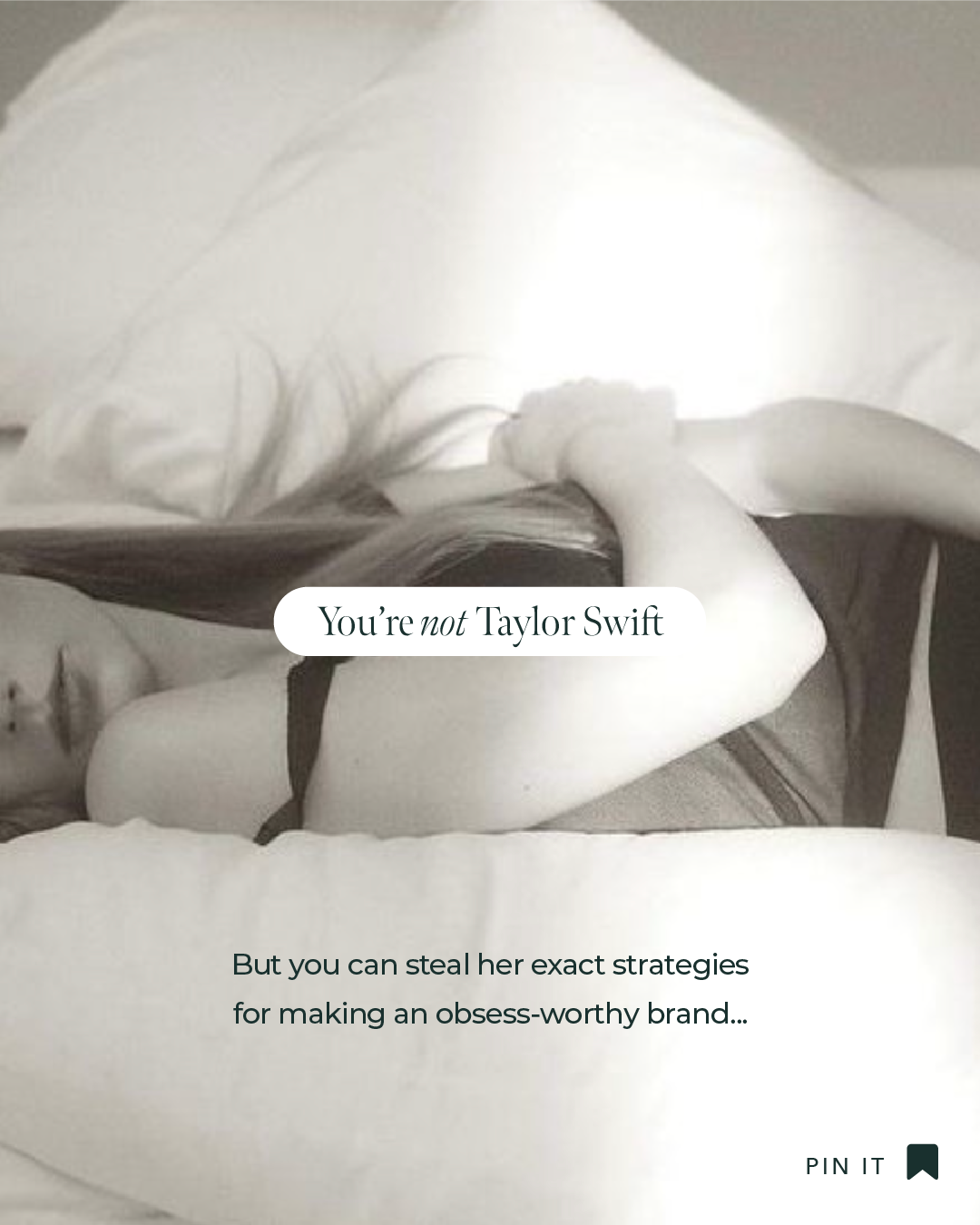
Taylor Swift knows how to build an empire. Letβs dive into some of the lessons we small business owners and self-starters can learn from the most love to hate and hate to love artist of our time: Taylor Swift. In other words, I'm going to tell you exactly which takeaways you'll want to bring back to your own branding/marketing efforts to hit it out of the park, just like T-Swift does.
Super Bowl ads are a goldmine for anybody who wants to add some best practices into their own branding playbook. Letβs dive into some of the lessons we small business owners and self-starters can learn from the most iconic Super Bowl ads of years past. In other words, I'm going to tell you exactly which takeaways you'll want to bring back to your own branding/marketing efforts to hit it out of the park
ποΈ Your Brand Isnβt the Problemβ¦Itβs the Lever ποΈ
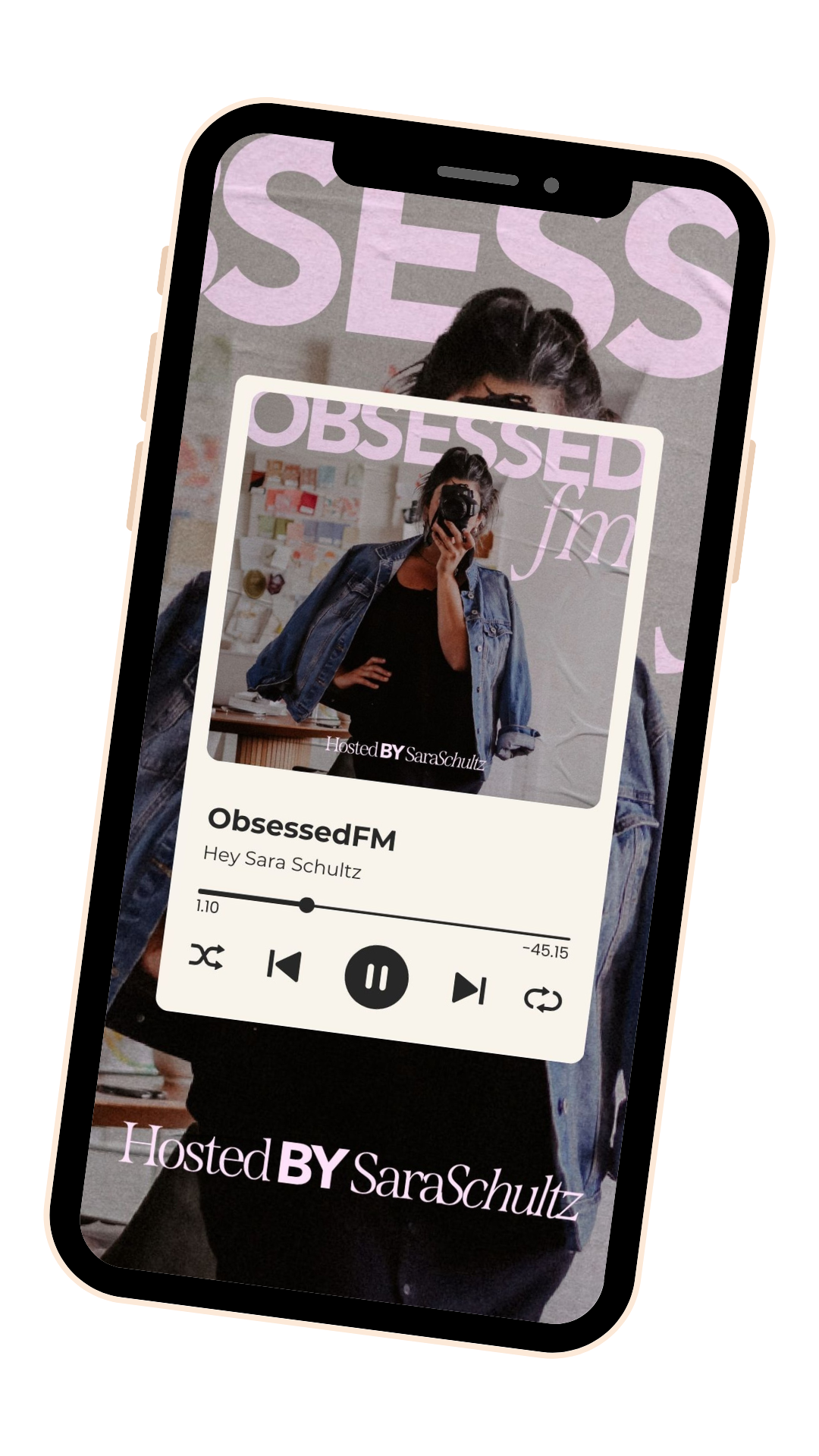
Obsessed FM is the private podcast for business owners who are done chasing attention and ready to build a brand that actually holds weight.
Short episodes on brand, money, authority, and why some businesses feel inevitable while others feel exhausting.
β¨ Sharp. Honest. Weirdly clarifying. β¨
Read the Latest and Greatest:
Is your email list getting bigger but your engagement getting smaller? A bloated list can hurt more than your open rates. It can cost you money, impact deliverability, and make it harder to understand who is actually paying attention to your brand. Learn how to clean your email list by re-engaging inactive subscribers, removing hard bounces, clearing duplicates, and creating a healthier audience that is actually interested in hearing from you.
A $110,000 launch doesn't start on launch day. Here's the full six-month strategy behind the most recent BrandShift Method launch, from cold audience content to conversion event to cart close.
Why can one business charge $32 for something another sells for $9? The difference isnβt always the product or service itself. Itβs positioning. Your brand positioning shapes how people perceive your value before they ever see your price, and strong positioning can make your rates feel like an obvious fit rather than something you have to justify. Hereβs how to recognize the gap between your price and your position, and what to do about it.
Ready to raise your rates but worried about losing clients? Raising your prices doesnβt have to mean making one huge, uncomfortable leap. The Stair-Step Method gives you a practical way to increase your rates gradually while protecting existing client relationships and getting new leads onto your new pricing immediately. Hereβs how to raise your rates with more confidence, strategy, and room to grow.
Raising your rates isn't just about increasing your revenue. It's about buying back your time. When you charge more, you can reach the same income goal with fewer clients, fewer projects, and less capacity tied up in client work. This post explores the real reason to raise your rates and how better pricing can create more room for the life and work you actually want.